1. Quiet, private arrival
The crew can arrive in an unmarked vehicle and work without drawing attention if the owner prefers.
Wayne, IL · DuPage County
Property managers in Wayne find syringes, burnt foil and stained surfaces during move-out walks. Call (877) 812-4220 for a calm, private cleanup that clears the unit for the next tenant.
If anyone is in danger, call 911 first. For a suicide crisis, call or text 988.
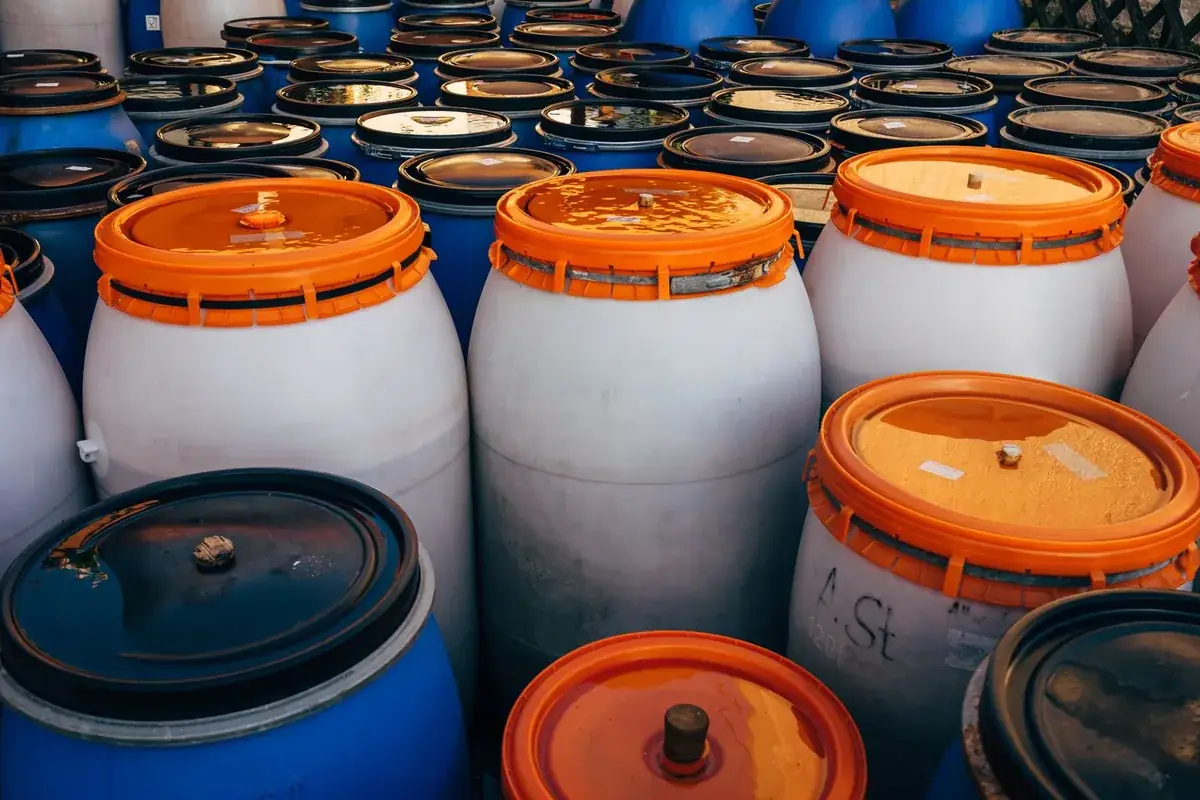
A drug paraphernalia sweep is a careful search of a home, room, vehicle or building for syringes and related items, including ones hidden in drawers, vents and seams of furniture.
Families in Wayne and DuPage County who need help after a loved one's crisis can call Wayne Biohazard Cleanup Help. Crews clear the room calmly and quietly and can arrive in an unmarked vehicle if privacy matters to you.
Most homes in DuPage County are owner occupied, with renters at only about 27% of households, so many calls come from families clearing a home or room. After a needle stick or exposure to an unknown substance, get medical care. Northwestern Medicine Delnor Community Hospital in Geneva is the closest emergency room to Wayne.
A typical drug paraphernalia cleanup job includes:
The crew can arrive in an unmarked vehicle and work without drawing attention if the owner prefers.
Crews put on gloves, eye protection and respirators when needed, then search every room for sharps and other items.
Surfaces are cleaned, and soft goods that could hold residue are removed.
The team removes the waste and shares what was done so the owner can keep it on file.
The cost of drug paraphernalia cleanup in Wayne, IL depends on the amount of material, how it is packed and how it is hauled.
How many items and sharps are present changes the scope, because each needle has to be found, lifted and sealed.
| Type of job | Typical range |
|---|
Figures are planning ranges from , not a price for any specific Wayne property. Price drivers include amount of material, whether residue is present, surfaces affected, waste disposal. Call (877) 812-4220 any hour.
The owner of the property usually pays at first. Lease terms and local law decide who is responsible in the end. A landlord, an attorney or a tenant rights group can say. Keep any record the cleanup team gives you, since a landlord or insurer may ask for it.
A careful cleanup removes the items and cleans the surfaces it covers. Testing is a separate step, and rules vary by place. Ask the team what it did and did not check, and ask the local health department what applies where you live.
It is safer not to. You often cannot tell what an item or residue is, and hidden sharps are a risk. Do not mix cleaning products. A cleanup team has the protective gear and containers to do it safely, without judgment.
Keep them out of affected rooms until a cleanup team has finished. Children and pets are closest to floors and furniture and are most at risk from residue. If a child or pet touches or swallows something, call Poison Control or a veterinarian.
No. Drug paraphernalia cleanup removes used items and cleans surfaces. A site where drugs were made is a different job with its own testing and clearance steps. If you think drugs were made in the home, say so when you call.
Some residues can harm people who touch them, and you cannot tell by looking which ones. That is why gloves are not a substitute for professional cleanup. If skin touches something unknown, wash with soap and water and call Poison Control.
One call can start the cleanup of a room, a rental unit or a whole home.
Call (877) 812-4220